
DIY Roadside Assistance: Common Fixes You Can Handle Yourself


Whether you're embarking on a long road trip or just commuting to work, having some basic DIY roadside assistance skills can be a lifesaver. Not every car issue requires a call to a professional mechanic, and knowing how to handle minor problems can save you time and money.
Flat Tire Fix
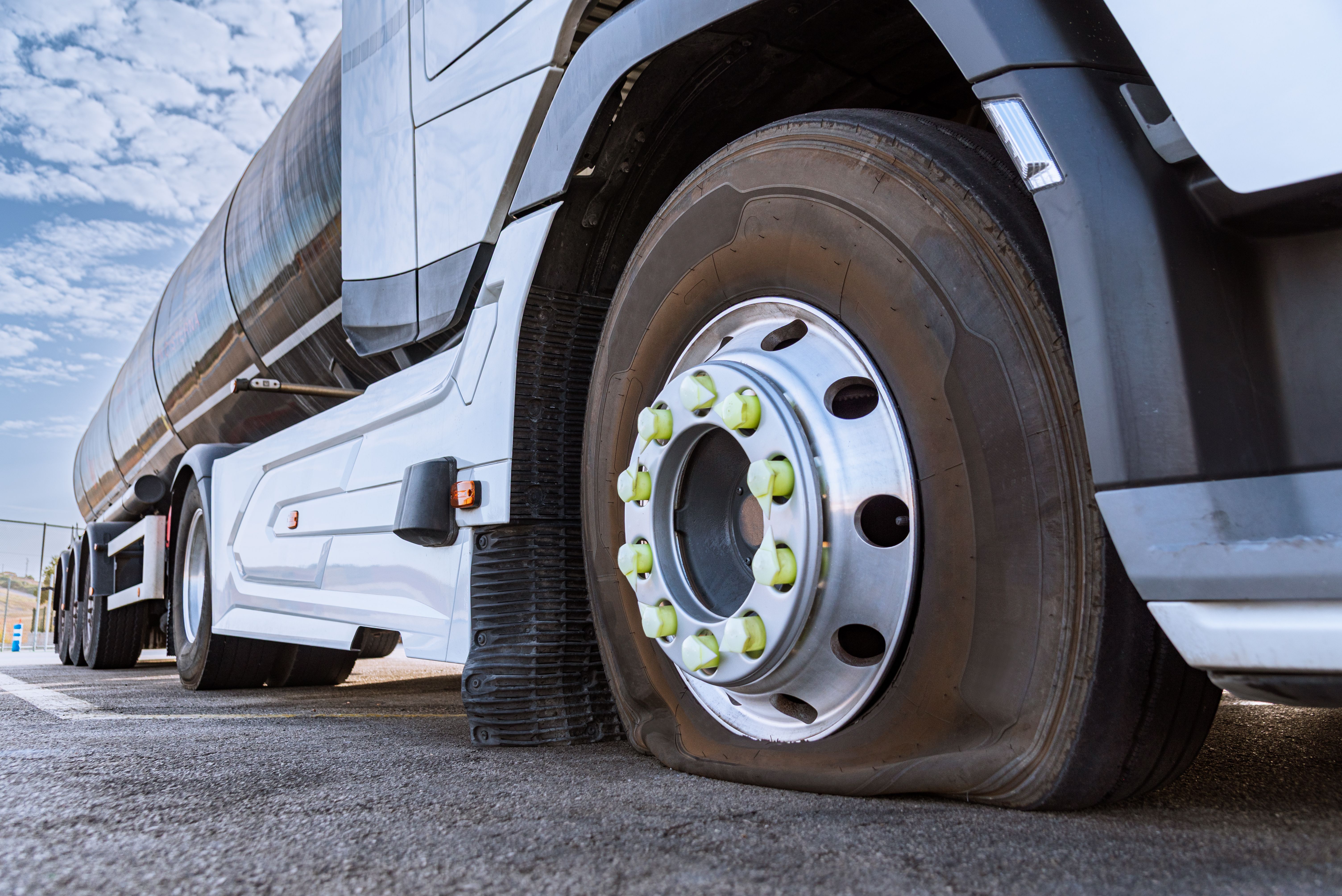
One of the most common issues drivers encounter is a flat tire. Fortunately, changing a tire is a straightforward process. Make sure your vehicle is on a flat surface and apply the parking brake. Use a jack to lift the car, remove the lug nuts with a wrench, and replace the flat tire with the spare. Tighten the lug nuts and lower the car carefully.
Tools You Need
Always keep a spare tire, jack, and lug wrench in your vehicle. These tools are essential for a quick tire change. Additionally, a flashlight and reflective triangles can be helpful for visibility, especially at night.
Jump Starting a Battery
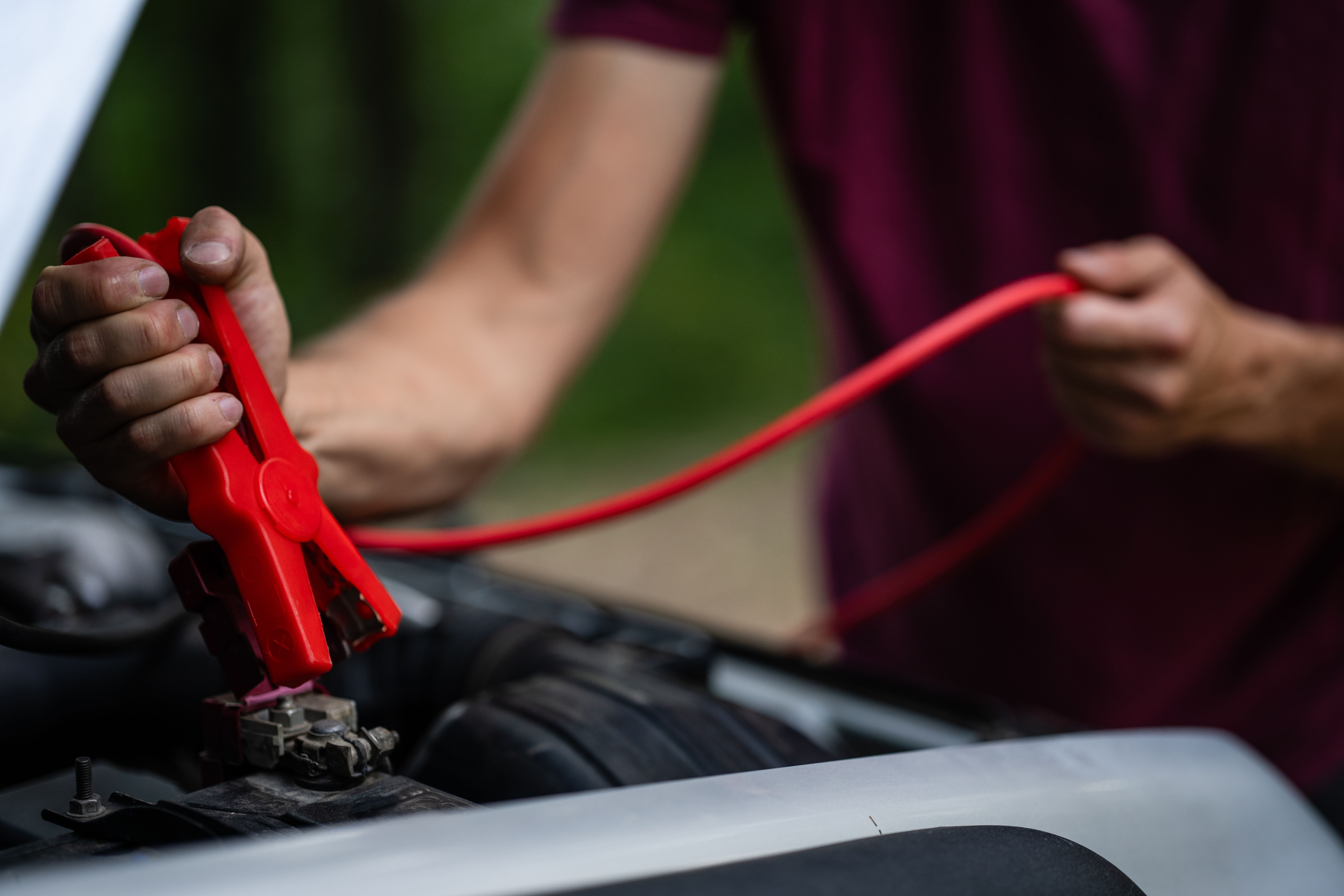
If your car's battery dies, a jump start can get you back on the road. You'll need a set of jumper cables and another vehicle with a working battery. Connect the cables in the correct order: positive to positive, and negative to a grounded metal surface on your car. Start the working vehicle, then try starting yours.
Safety Tips
While jump-starting a car is simple, it can be dangerous if not done correctly. Ensure the cars are not touching and the cables are connected properly to avoid sparks. Wear gloves and safety glasses for added protection.
Overheating Engine
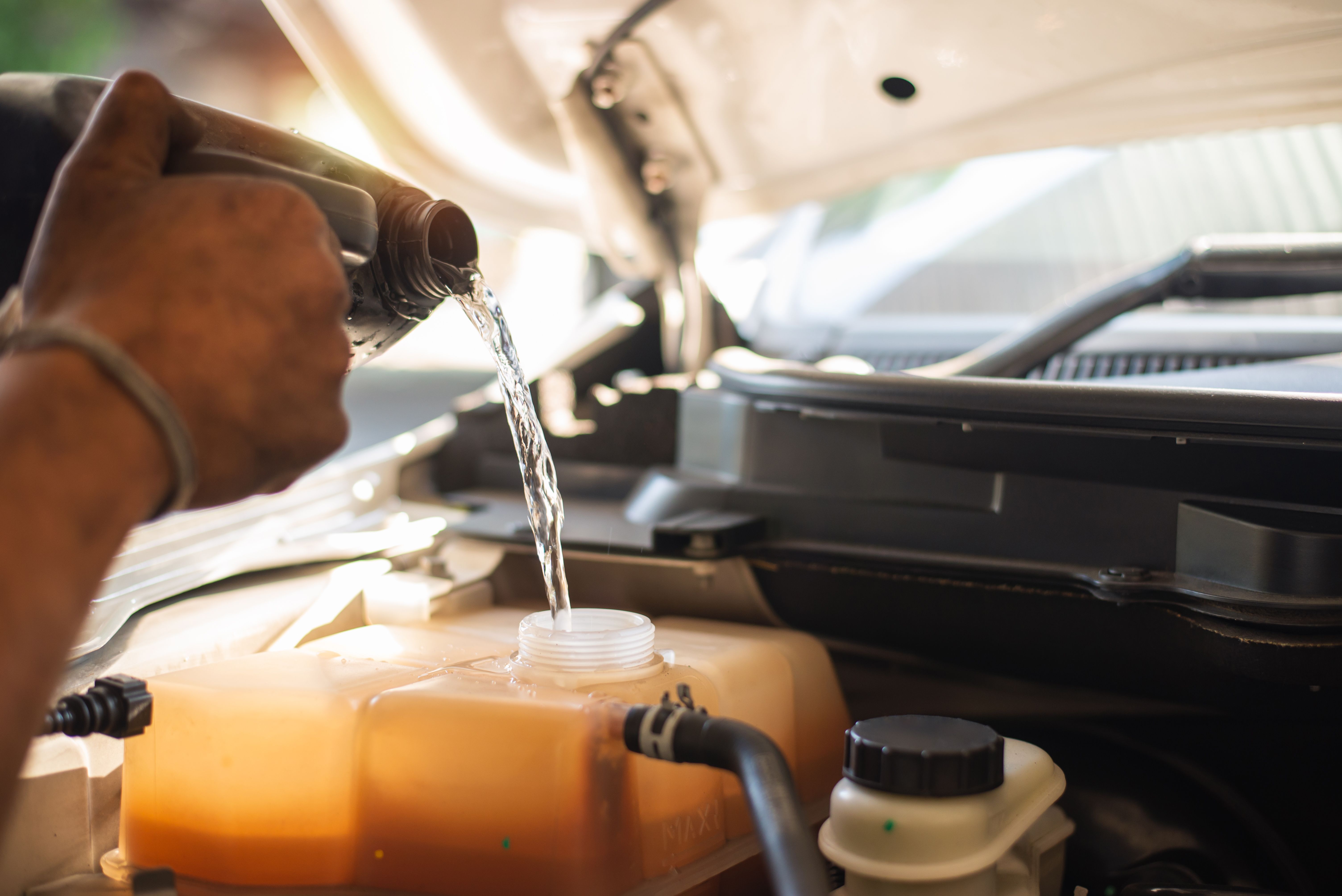
An overheating engine can be a nerve-wracking experience. If this happens, pull over safely and turn off the engine. Allow it to cool down before checking the coolant level. If low, add coolant to the radiator once it's safe to do so.
Preventive Measures
Regularly checking your vehicle’s coolant level can help prevent overheating. Make it a habit to inspect the radiator and hoses for leaks or damage during routine maintenance.
Dealing with Dead Fuses
Electrical issues in your car might be due to a blown fuse. Locate your car's fuse box, usually under the dashboard or in the engine compartment. Use the diagram on the fuse box cover to identify the faulty fuse and replace it with one of the same rating.
Essential Supplies
Keeping a set of spare fuses in your glove compartment can be useful. Also, owning a fuse puller can make the replacement process easier and quicker.
By equipping yourself with these basic DIY roadside assistance skills, you can handle common car problems with confidence. Not only does this knowledge save you from unnecessary stress, but it also empowers you to be more independent on the road.