
Expert Insights on Choosing the Right Roadside Assistance Plan


Understanding Roadside Assistance Plans
When you're on the road, peace of mind is invaluable. Roadside assistance plans offer that reassurance by providing support when your vehicle breaks down unexpectedly. These plans typically cover services like towing, battery jump-starts, flat tire changes, and more. But with so many options available, how do you choose the right one?

Key Considerations
Before selecting a roadside assistance plan, it's essential to consider your specific needs and driving habits. Start by assessing the age and condition of your vehicle. Older cars might require more comprehensive coverage, while newer models might need only basic services.
Think about how often you travel and the distances you cover. If you frequently take long road trips, look for a plan that offers extended towing services. Conversely, if you mostly drive in urban areas, a plan with quick response times may be more beneficial.
Types of Coverage
Roadside assistance plans vary significantly in the types of coverage they offer. Here's a breakdown of the most common services:
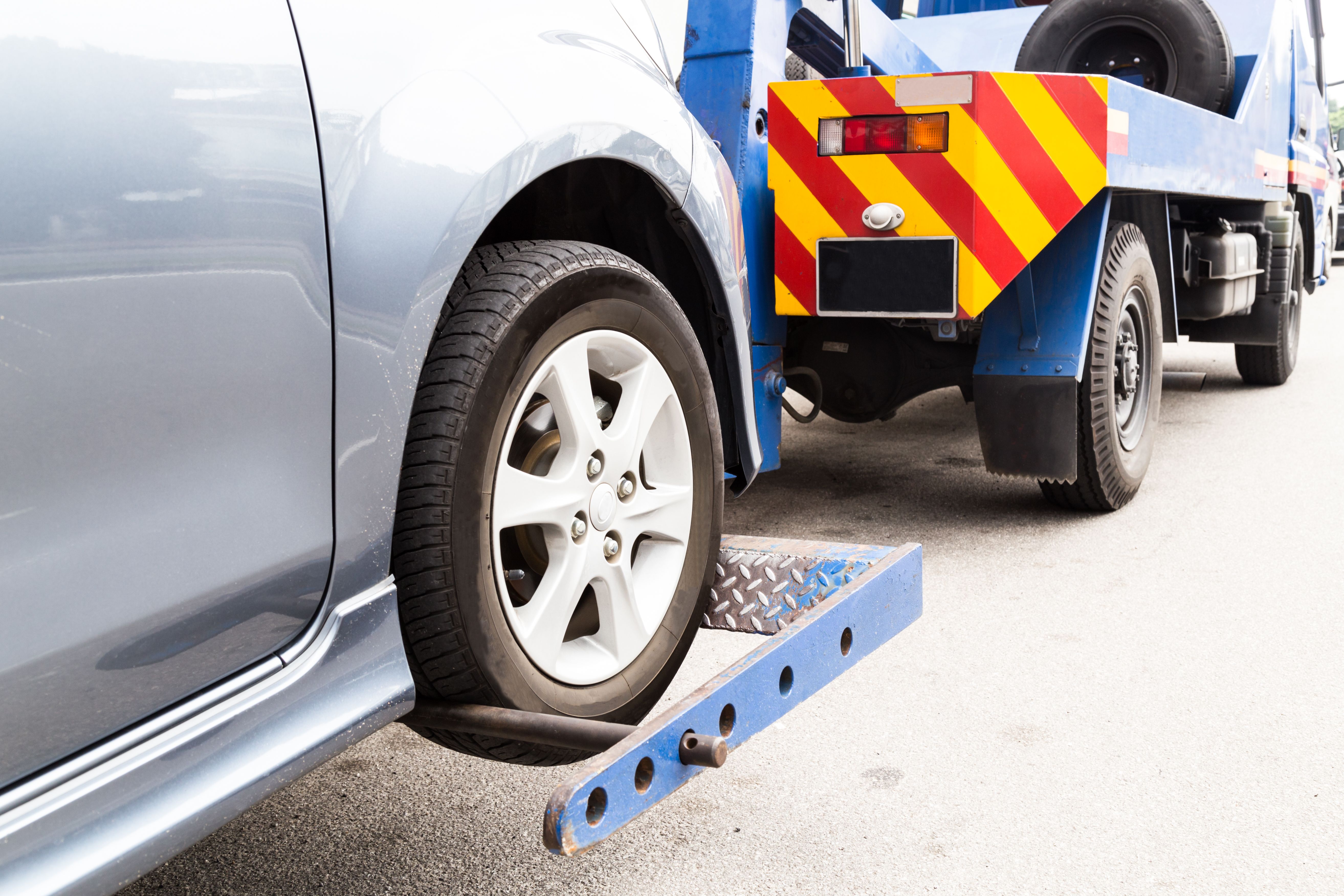
- Towing: If your car breaks down, towing services will transport it to a nearby repair shop.
- Battery Services: Includes jump-starting a dead battery or replacing it if needed.
- Flat Tire Change: Assistance with replacing a flat tire with your spare.
- Fuel Delivery: Provides enough fuel to get you to the nearest gas station.
- Lockout Services: Help if you lock your keys inside your vehicle.
Comparing Providers
Once you've identified the type of coverage you need, it's time to compare providers. Look at both national organizations and local companies to find a plan that fits your budget and requirements. Consider the reputation and customer service ratings of each provider, as these often indicate reliability and responsiveness.
Many auto insurance companies also offer roadside assistance as an add-on. This option might be cost-effective if you bundle it with your existing policy. However, be sure to read the fine print to understand any limitations or exclusions.
Cost and Value
Cost is a significant factor when choosing a roadside assistance plan, but it shouldn't be the only consideration. Weigh the benefits you receive against the price. Sometimes, paying a little more for a comprehensive plan can save you money in the long run by avoiding out-of-pocket expenses during a breakdown.
Look for plans that offer discounts for family members or additional vehicles. Some providers also offer loyalty programs or perks like hotel discounts and rental car coverage.

Final Thoughts
Choosing the right roadside assistance plan requires careful consideration of your driving habits, vehicle condition, and budget. By understanding the different types of coverage and comparing providers, you can find a plan that ensures you won't be stranded without help when you need it most.
Remember, the best plan is one that matches your needs, offering peace of mind and reliable service whenever you hit the road. Make an informed decision, and drive with confidence.