
Latest Trends in Emergency Vehicle Services: What Drivers Need to Know


Introduction to Emergency Vehicle Services Trends
In recent years, the field of emergency vehicle services has seen significant advancements, driven by technology and changing regulations. For drivers, staying informed about these trends is crucial for both safety and compliance on the roads. In this post, we'll explore the latest developments and what they mean for drivers today.

Technology Integration in Emergency Vehicles
One of the most notable trends is the integration of cutting-edge technology into emergency vehicles. This includes the use of advanced navigation systems, real-time traffic updates, and predictive analytics to improve response times. These technologies not only enhance operational efficiency but also ensure that emergency services reach those in need as quickly as possible.
Advanced Communication Systems
Modern emergency vehicles are equipped with sophisticated communication systems that enable seamless coordination between different units. This includes interoperability with other emergency response teams, ensuring that information is shared rapidly and accurately. Drivers should be aware of these systems as they may affect road usage during emergencies.

Regulatory Changes Impacting Drivers
Regulatory updates have also played a significant role in shaping emergency vehicle services. New laws require drivers to yield more effectively to emergency vehicles, with stricter penalties for non-compliance. Understanding these rules is essential for all drivers to avoid fines and contribute to a safer road environment.
Move Over Laws
"Move Over" laws have been strengthened in many regions, requiring drivers to change lanes or slow down when approaching an emergency vehicle. These laws are designed to protect first responders and ensure they have the space needed to operate safely.

Environmental Considerations
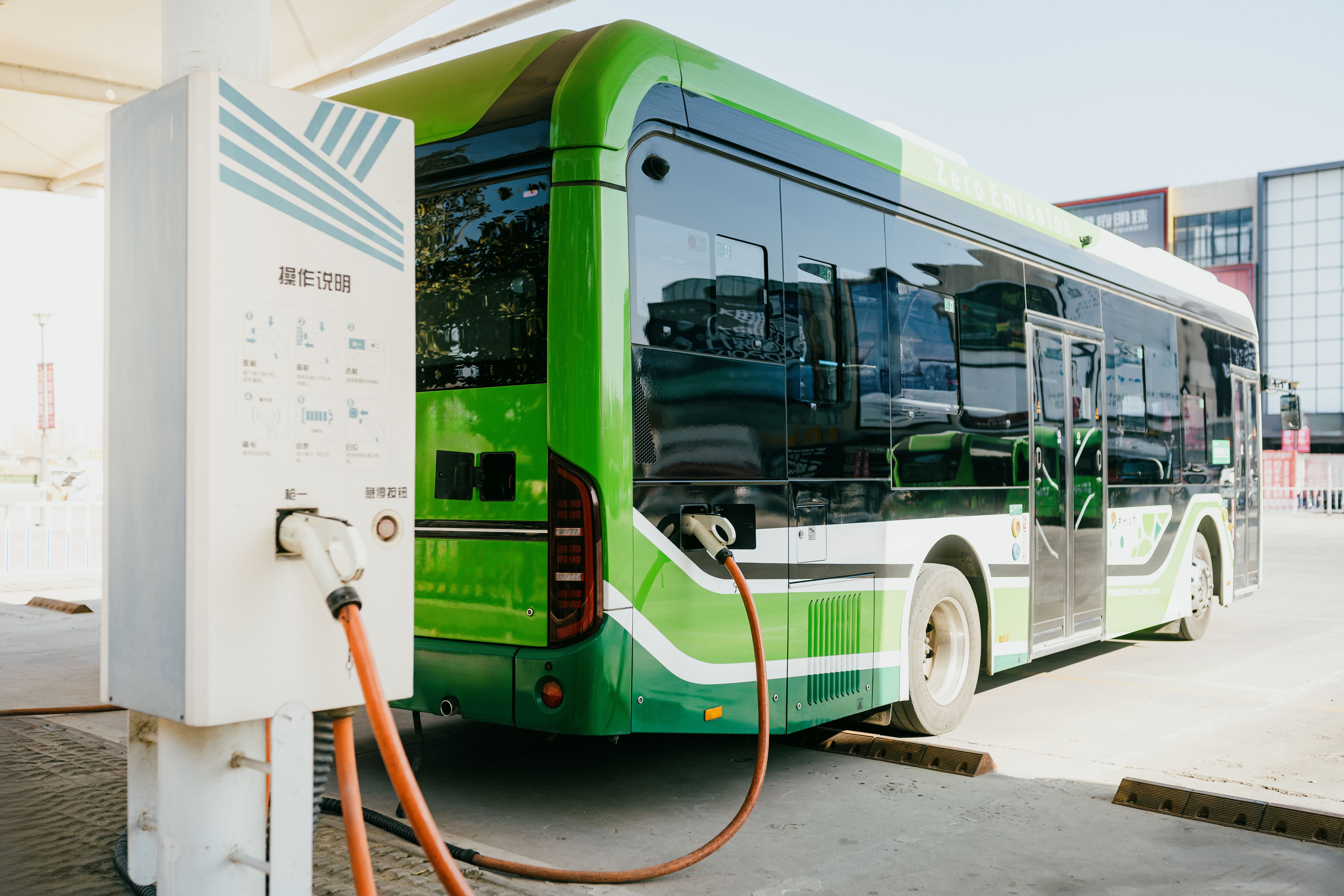
As environmental concerns become more pressing, emergency vehicle services are also making efforts to reduce their carbon footprint. This includes the adoption of hybrid or electric vehicles and the use of eco-friendly materials in vehicle construction. Drivers can expect to see more of these green emergency vehicles on the road in the coming years.
Benefits of Green Emergency Vehicles
Green emergency vehicles not only reduce emissions but also offer quieter operation and potentially lower operating costs. These benefits contribute to a more sustainable and efficient emergency response system.
Conclusion: Staying Informed and Safe
As emergency vehicle services continue to evolve, it is crucial for drivers to stay informed about the latest trends and regulations. By understanding and adapting to these changes, drivers can ensure their own safety and support the critical work of emergency responders. Stay vigilant and always be prepared to yield to emergency vehicles on the road.